Electronics De-Manufacturing Services
We take electronics apart the right way, separating metals, plastics, and circuit boards so more material gets a second life.
Disassembly beats shredding when precision matters
"De-manufacturing is the manual and mechanical disassembly of electronics into distinct commodity streams: steel and aluminum housings, copper wiring, circuit boards for precious-metal recovery, plastics sorted by resin type, and CRT or panel glass handled to specification. By separating before shredding, AVA routes each material to the downstream processor best suited to recover it, and pulls hazardous components out before they can contaminate the stream."
"For business clients, de-manufacturing can include secure disposition. Storage devices identified in project scope can be removed and destroyed under documented chain-of-custody procedures before housing is processed. Branded housings can be physically destroyed rather than resold, based on project requirements."
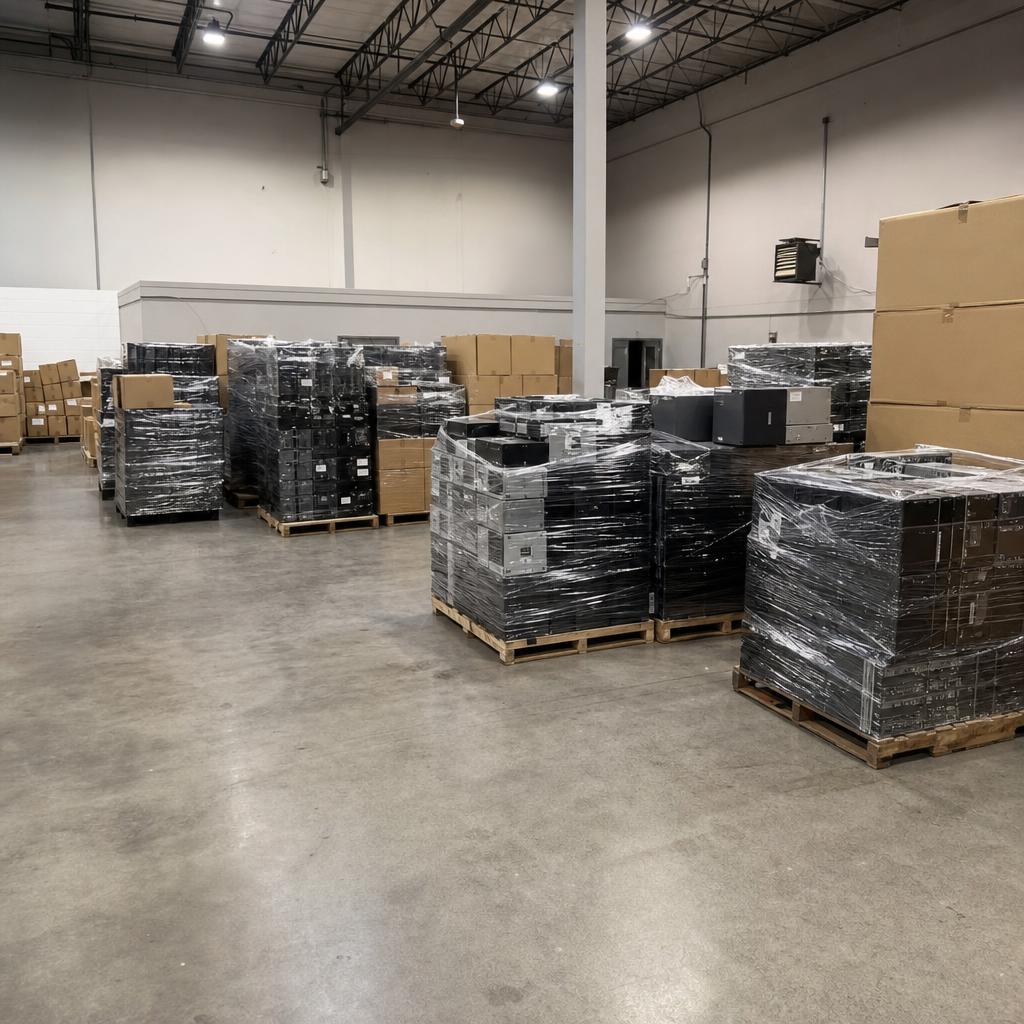
AVA's de-manufacturing line processes equipment ranging from individual workstations and servers to full pallet loads of mixed electronics. Volume pricing is available for regular accounts. A Certificate of Recycling and serialized Certificates of Data Destruction can be provided based on project scope.
The de-manufacturing process, step by step
- 1
Intake and manifest
Accepted equipment can be counted and entered into project records. Ask whether a pickup manifest is available for your scope.
- 2
Data device removal
Storage media identified in scope can be removed and transferred to the destruction queue before disassembly.
- 3
Documented data destruction
Storage devices included in project scope can be removed for destruction. Ask about chain-of-custody procedures and available Certificates of Data Destruction.
- 4
Manual and mechanical disassembly
Accepted electronics may be disassembled into material streams such as metals, circuit boards, plastics, glass, and components requiring separate handling.
- 5
Downstream routing and documentation
Materials in the agreed scope can be routed for documented processing. A Certificate of Recycling may be available for processed loads, depending on project scope.
De-manufacturing versus shredding
"AVA Recycling can discuss de-manufacturing options for accepted electronics, which may be separated into material streams such as metals, copper wiring, circuit boards, plastics, CRT and panel glass, and components requiring separate handling. Storage devices identified in project scope can be destroyed under documented chain-of-custody before disassembly. A Certificate of Recycling may be available for documented material handling, depending on project scope."
"Whole-unit shredding is fast but imprecise. Mixed fractions require additional processing, some materials degrade in value, and hazardous components can contaminate otherwise clean commodity streams. Manual de-manufacturing addresses all three of these issues by separating materials before any size reduction occurs."
"Circuit boards are among the highest-value materials in electronics. Precious metals including gold, silver, and palladium are recovered from boards by specialized downstream smelters. Commingled boards retain more value than boards processed with mixed scrap, which is why AVA routes them as a clean separate stream."
"CRT glass presents a specific challenge. Leaded glass from cathode-ray tubes may require a dedicated glass processor that can capture and contain lead content. For accepted CRT loads, panel handling and downstream routing depend on material and project requirements."
"Batteries and other components may require separate handling before size reduction. Lithium-ion, lithium-polymer, and nickel-cadmium cells can ignite or explode under shredding stress; mercury-containing displays, toner, and refrigerant-bearing equipment may also need a separate route. Handling and downstream options depend on material and project scope."
"For projects with brand or data-security requirements, physical destruction of branded housings may be available as an add-on. Confirm methods and documentation during project scoping. The process is intended to reduce the risk of unapproved refurbishment or resale."
De-manufacturing questions
Have Equipment to De-Manufacture?
Schedule a free pickup or call our team. We'll walk you through pricing and logistics in minutes.