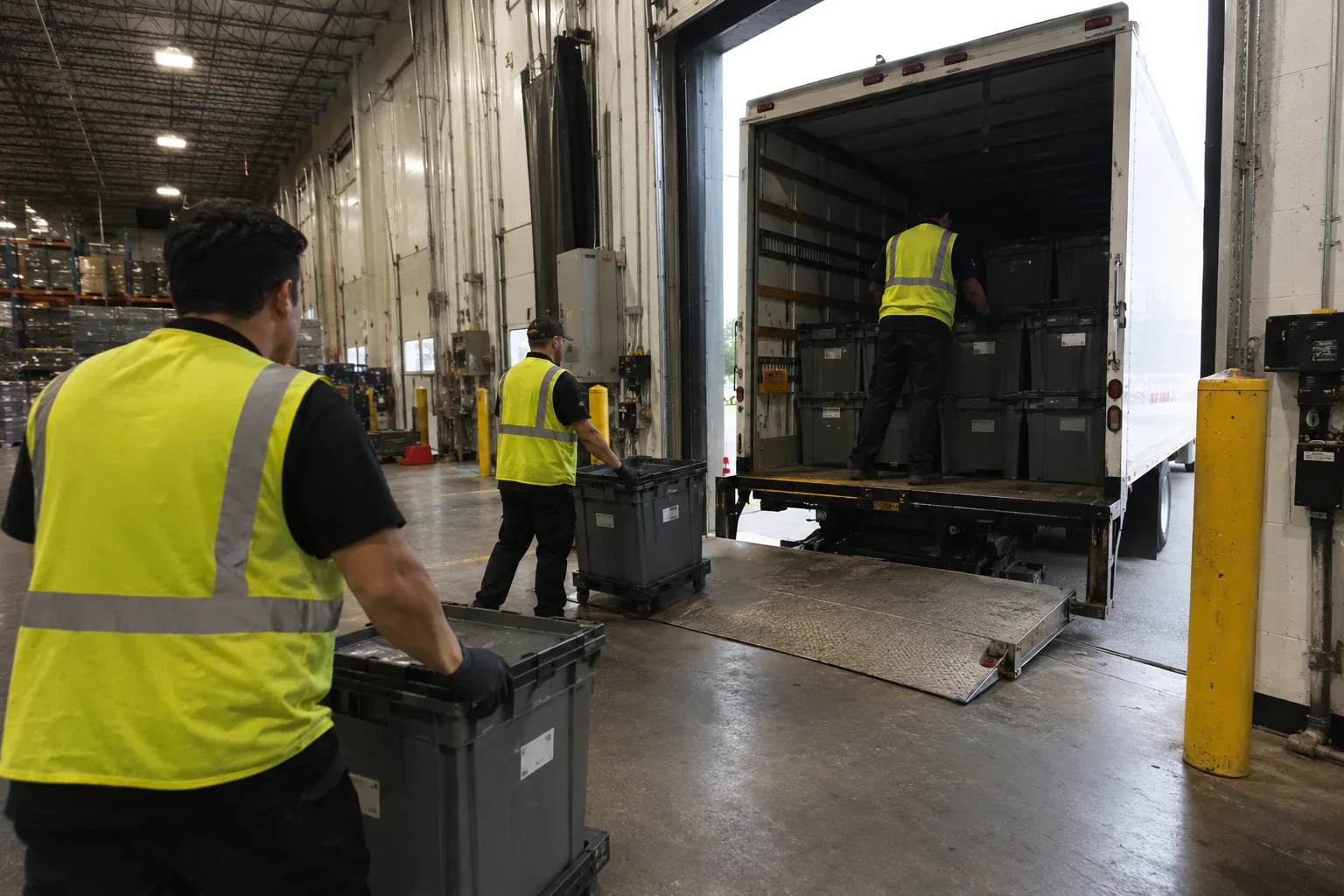
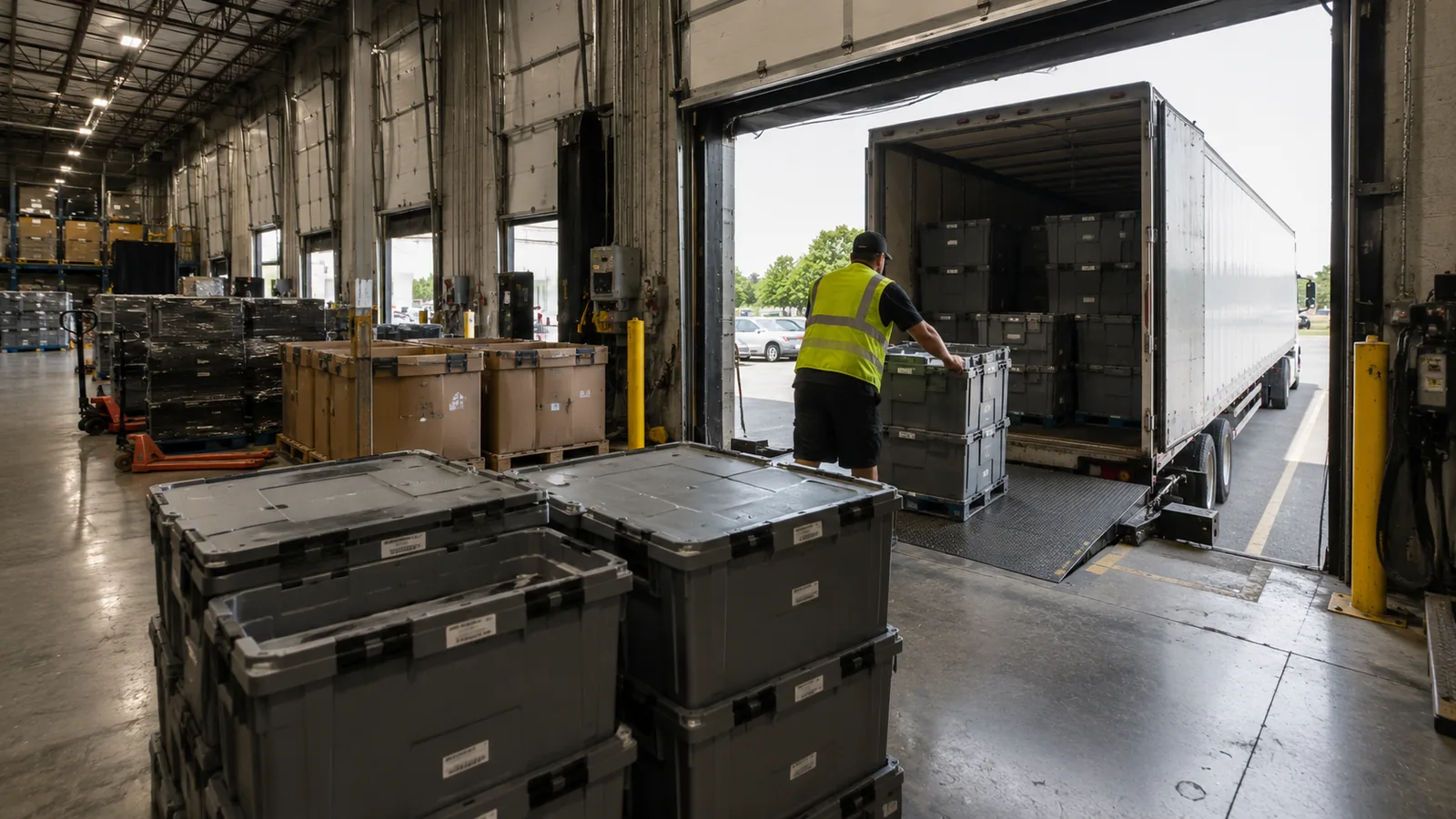
Recycling facility team handling palletized electronics at a loading dock
Government & Municipal Agencies

NIST 800-88 Secure Disposal for Government Agencies

Witnessed destruction, serial-number chain of custody, and audit-ready certificates — built for public procurement requirements at the federal, state, and local level.

NIST 800-88 DestroyHighest sanitization level
Witnessed destructionOn-site option
Serial inventoryFull chain of custody
IG-ready certificatesAudit-formatted docs
The Standard

NIST 800-88 — what government agencies are required to meet

3 levels
NIST 800-88 sanitization levels: Clear, Purge, and Destroy — physical shredding satisfies Destroy
NIST SP 800-88 Rev. 1 — Guidelines for Media Sanitization
FISMA
Federal Information Security Modernization Act — requires documented disposal for all federal information systems
44 U.S.C. § 3551 et seq.
On-site
Witnessed destruction available — your representative observes and countersigns before the truck leaves
Built for Public Procurement

Chain-of-custody documentation built for procurement and audit

Government agencies face strict requirements for the disposal of data-bearing assets. NIST 800-88 establishes the federal standard, and state and local procurement policies often add documentation layers on top. AVA Recycling has worked with Illinois municipalities, county agencies, school districts, and public institutions to provide destruction that satisfies both the technical standard and the paperwork trail.

Our witnessed destruction option lets a government representative observe the shredding of each device and countersign the certificate — satisfying requirements at agencies where supervisory confirmation is mandatory before assets leave the building. This is available for hard drives, SSDs, mobile devices, and other data-bearing media.

Large-scale IT refresh projects — a school district replacing classroom computers, a county courthouse upgrading workstations, a municipal utility retiring networking hardware — require logistics coordination we handle from first contact through final certificate delivery, within public bid and cooperative purchasing frameworks.

Palletized electronics organized for documented IT asset disposition
Public-Sector Project Planning

A secure disposal workflow agencies can explain

The strongest government disposal file makes the technical method, procurement scope, and final record easy to follow.

01

Scope the project before procurement

Government disposal projects often involve more than a room of computers. A school district may have classroom workstations, access points, printers, and servers across multiple buildings. A municipality may be retiring laptops, storage media, radios, network hardware, and equipment from a public works or utility department. The first step is an itemized scope that separates data-bearing assets from general recyclable equipment.

AVA can work from an agency asset list, a facilities walk-through, or a department-by-department inventory. Identifying quantities, building access, loading requirements, and witness needs early produces a cleaner quote and avoids last-minute changes to a public project schedule.

  • Federal, state, county, municipal, school, and public-university projects
  • Single buildings, campuses, and multi-department refreshes
  • Itemized scope compatible with procurement review

02

Documentation that remains useful after pickup

NIST 800-88 describes the sanitization outcome; your agency still needs a record showing what happened to the assets. A complete file can connect the purchase or surplus record to the pickup receipt, serial-number inventory, destruction method, certificate, and downstream recycling record. That continuity is valuable when an auditor, inspector general, records officer, or department head asks for evidence months later.

For sensitive projects, a government representative can witness destruction and countersign the record. For routine refreshes, serialized inventories and certificates provide a repeatable process without requiring agency staff to accompany every load. Either approach is planned before pickup so the documentation matches the agency's control requirements.

  • Destroy-level physical processing for data-bearing media
  • Witnessed destruction and countersignature option
  • Certificate and serial report retained with agency records
Agency Project Controls

Make the technical standard and the paperwork line up

A secure government project is easier to defend when procurement, logistics, witnessing, destruction, and closeout are planned as one workflow.

01

Define a procurement-ready scope

Describe the agency, buildings, departments, estimated quantities, equipment types, and required documentation. A school district, courthouse, municipal office, and public utility may each have different access rules and asset categories even when the project is covered by one contract.

Separating data-bearing media from general recyclable equipment makes the quote easier to evaluate. It also gives procurement staff a clear description of the technical service rather than a broad promise to haul away electronics.

02

Plan campus logistics before pickup

List loading docks, security checkpoints, elevators, restricted rooms, and the agency contact who will release the assets. For a school or municipal campus, schedule around classes, public hours, fleet activity, and other operations that can affect access to the staging area.

A single coordinator can sequence buildings and departments while preserving the same chain-of-custody procedure at each stop. That is especially useful when one project includes several facilities with different staff and operating calendars.

03

Select the right level of witnessing

Some agencies require a representative to observe destruction; others rely on serialized inventory and a certificate. Decide that requirement before the pickup so the appointment, staff time, and documentation match the agency's control policy.

For sensitive media, a witnessed appointment can provide immediate confirmation. For routine refreshes, a repeatable inventory-and-certificate process lets agency staff avoid attending every destruction event while still retaining a defensible record.

04

Close out surplus and recycling records

The final file should connect the agency's surplus or asset-retirement record to the pickup receipt, serial inventory, destruction certificate, and recycling documentation. Keeping those records together helps when an auditor, inspector general, records officer, or department head asks for evidence later.

If a project includes reusable equipment, separate that decision from the destruction scope and identify it before collection. The agency then has a clear record of what was destroyed, what was recycled, and what was retained or transferred.

Documented Material Flow

Give the agency a clear handoff from room to certificate

Organized staging helps staff reconcile the equipment released for destruction with the records retained after service.

Before collection, keep the equipment in an area that is accessible to the authorized agency contact but not open to public traffic. Mark separate groups when the project includes data-bearing media, general electronics, and equipment being retained or transferred.

The result is a more useful closeout than a simple haul-away receipt. Procurement, IT, facilities, and records staff can see how the original scope became an actual pickup and how the final certificate supports the agency file.

Organized server and electronics aisles inside a recycling facility
How It Works

From procurement to audit-ready certificate

  1. 1

    Submit — procurement-compatible scope

    We provide itemized quotes compatible with public procurement requirements and cooperative purchasing programs. State and local agencies can reference our services through standard vendor documentation.

  2. 2

    Coordinate — logistics for any agency size

    A single coordinator manages pickup across departments, floors, or multi-building campuses. We work with facilities managers and IT staff to minimize disruption to agency operations.

  3. 3

    Destroy — NIST 800-88 aligned processing

    All data-bearing assets are physically destroyed to satisfy NIST 800-88's Destroy level — the highest sanitization standard. Serial-number inventory is recorded for every device that requires individual tracking.

  4. 4

    Report — inspector-general ready documentation

    A Certificate of Destruction and serial-number log are formatted for agency audit records and inspector general review. Witnessed destruction appointments include a signed countersignature from your representative.

Common Questions

Government Disposal FAQ

Government Lead Form

Plan Your Agency Disposal Project

NIST 800-88 aligned processing, witnessed destruction, and audit-ready certificates — all under one contract.

NIST 800-88FISMA
  • NIST 800-88 Destroy-level processing
  • Witnessed destruction with countersignature
  • Documentation formatted for IG and procurement review
Or call 866-770-2650

Proof of Compliance

Every processed load receives a fully auditable Certificate of Destruction, establishing a clear chain of custody for your compliance records.

CLIENT NOTE

Their team understood our procurement requirements and kept the chain of custody clean for our records.

Laura Benton

Procurement Lead, City of Evanston