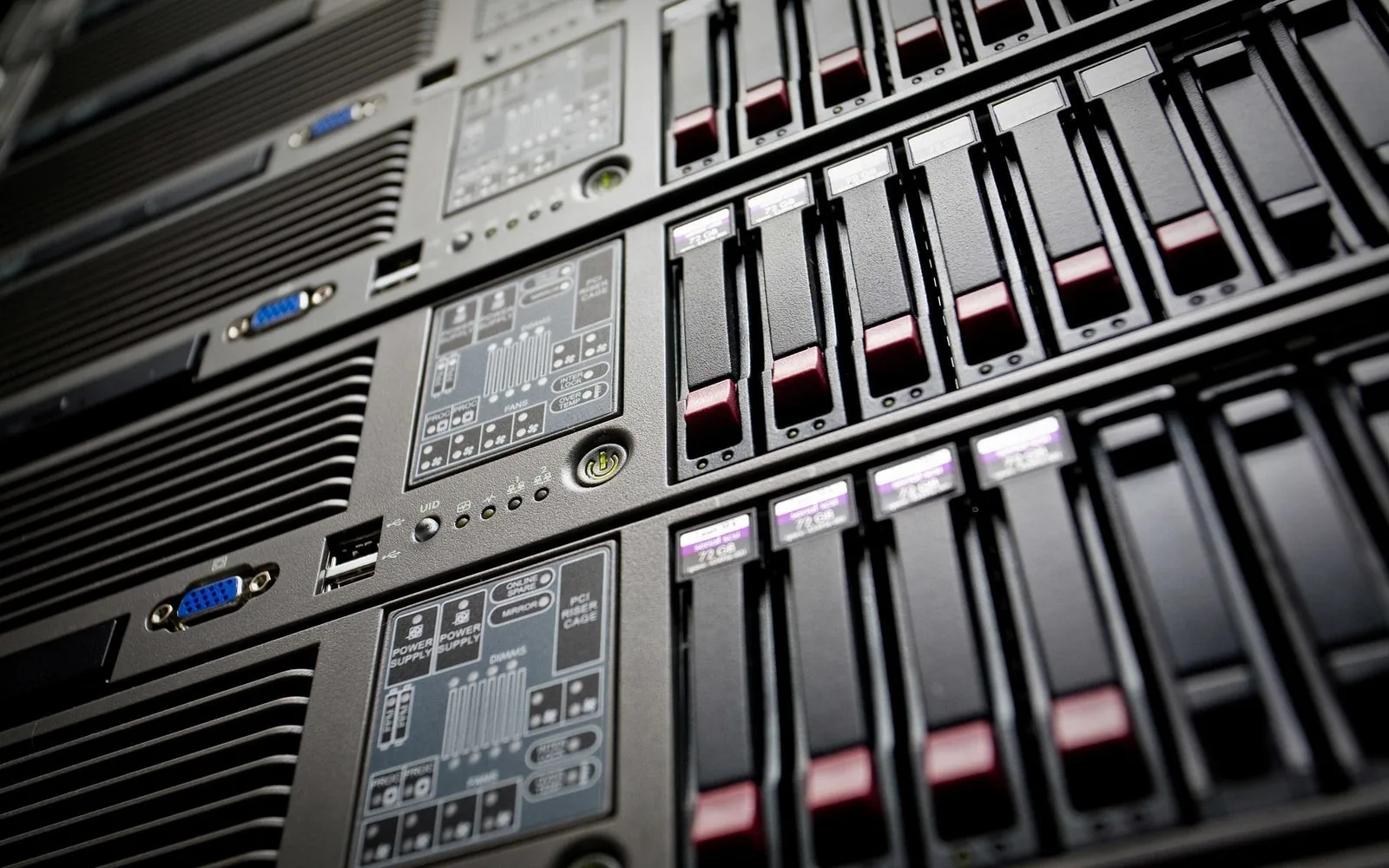
Rows of enterprise server cabinets in an electronics recycling facility
Financial & Banking

FACTA-Compliant Data Destruction for Financial Institutions

Banks, credit unions, and financial services firms trust AVA Recycling for certified destruction of hard drives, backup media, and customer-data-bearing devices, with documentation that stands up to audit.

FACTA & GLBABoth standards covered
Audit certificatesPer pickup or per drive
Chain of custodyBranch to destruction
Branch coordinationMulti-location pickups
The Stakes

What an unwiped drive costs a financial firm

$6.08M
Average cost of a data breach in financial services
IBM Cost of a Data Breach Report, 2024
$2,500
Maximum FACTA civil penalty per violation per consumer
15 U.S.C. § 1681n: FACTA civil liability provisions
GLBA
Safeguards Rule requires documented disposal of all customer financial records
16 CFR Part 314: FTC Safeguards Rule
Why Financial Firms Choose AVA

Compliance documentation your auditors can rely on, across every branch

Financial institutions operate under some of the strictest data-handling regulations in any industry. FACTA requires that consumer report information, credit records, account data, customer PII stored on hard drives and workstations, be properly disposed of in a way that prevents unauthorized reconstruction or use. GLBA adds its own Safeguards Rule requirements on top.

AVA Recycling provides certified physical destruction for banks, credit unions, insurance firms, and financial advisors across the Chicago metropolitan area. Every destruction event generates a signed Certificate of Destruction with serial-number inventory available on request, the documentation your compliance team needs to close an audit without a conversation.

Branch refreshes, workstation upgrades, and data center decommissions create disposal obligations at multiple locations simultaneously. We coordinate logistics across your branch network so your facilities team doesn't have to manage multiple vendors or patchwork documentation.

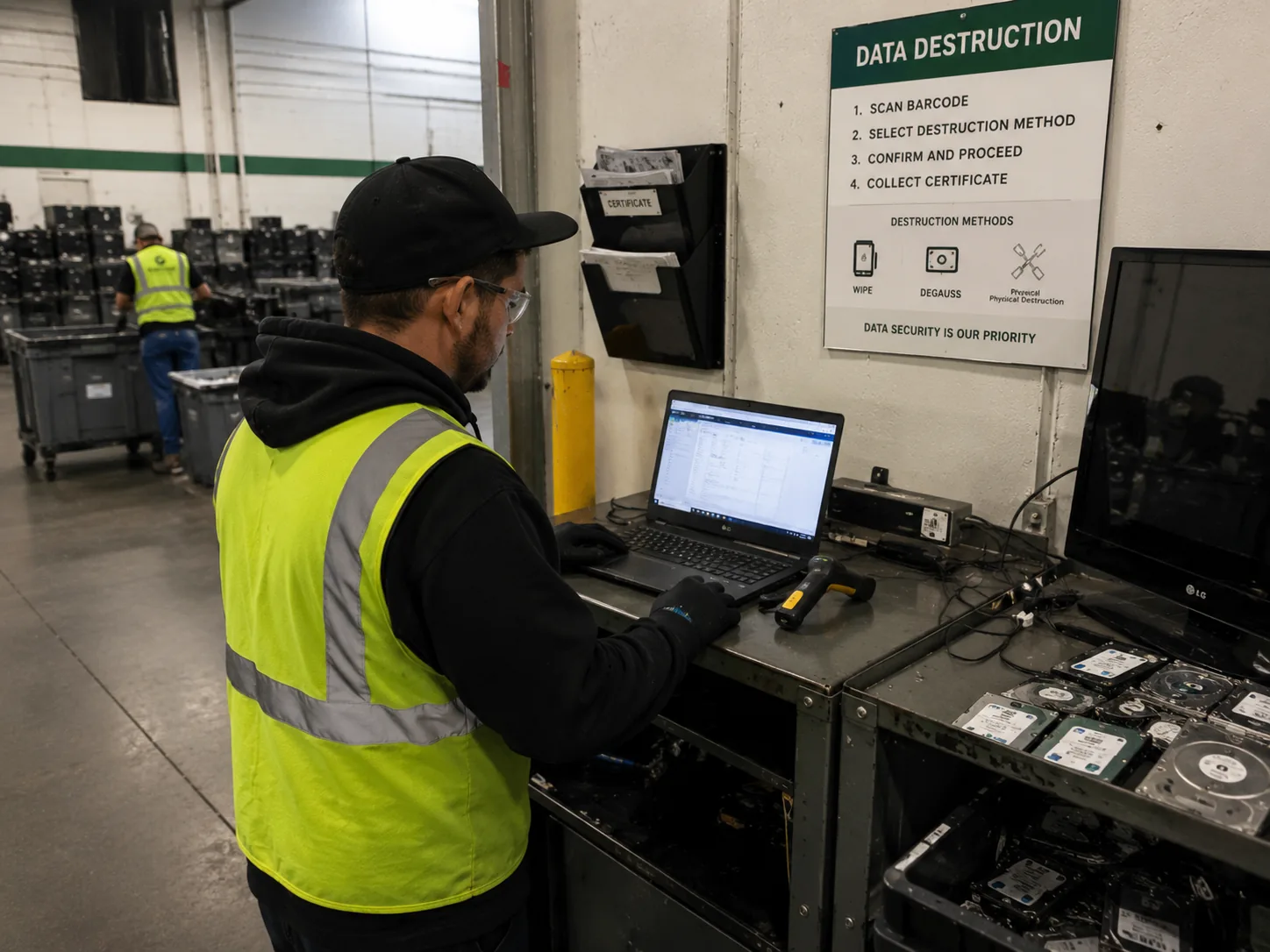
Technician documenting data-bearing equipment at a secure destruction workstation
For Banks, Credit Unions & Advisors

Turn a branch refresh into a documented disposal project

The goal is not simply to remove old equipment. It is to close the loop on customer information across every location.

01

Assets that carry financial information

A branch refresh rarely creates only one kind of disposal. Retired teller workstations, laptops, branch servers, routers, multifunction copiers, backup media, and employee mobile devices may all contain customer information or credentials. A project plan should account for data-bearing components inside equipment, not just the visible asset category on a facilities list.

AVA can help your team build a practical scope for branch closures, workstation replacements, mergers, and data-center changes. Devices can be collected by location, grouped by business unit, and tracked against the internal asset list so the final certificate package is useful to both operations and compliance.

  • Branch workstations, laptops, servers, and backup media
  • Copiers and multifunction devices with internal storage
  • Routers, firewalls, mobile devices, and removable media
02

Documentation for a multi-branch audit trail

FACTA and GLBA obligations do not disappear because equipment is being replaced. Your records should show who collected the assets, where they came from, what was destroyed, and when the destruction occurred. For a multi-location project, a consolidated certificate is most useful when it is supported by location-level manifests and a serial-number report where required.

We coordinate pickup windows around branch operations, loading access, and security procedures. Your designated project contact receives one point of coordination while each location keeps the receipt it needs. At completion, the compliance package can include the destruction certificate, serial inventory, recycling documentation, and a summary of the locations covered.

  • Branch-by-branch scheduling and manifests
  • Serial-number reporting available on request
  • One consolidated package for internal and external review
Branch Network Planning

Give every location the same secure, auditable process

A multi-branch disposal program should be easy for a branch manager to follow and detailed enough for a compliance reviewer to trust.

01

Build one scope across every branch

Start with the locations, departments, and asset categories involved. A branch refresh may include teller workstations, laptops, printers, network appliances, backup devices, and storage media. Listing those categories up front helps the project team avoid treating a data-bearing copier or firewall as ordinary scrap.

Include branch contacts, loading instructions, elevator access, and preferred service windows. A location-level plan lets operations continue while the disposal crew works through the refresh without sending different vendors to the same site.

02

Protect information at the handoff

Use a controlled staging area and identify who is authorized to release equipment. For higher-sensitivity projects, tamper-evident containers and a signed manifest make the handoff visible to both the branch and the pickup team.

The manifest should connect the location to the equipment category and, when requested, the individual serial numbers. This creates a better record than a single total for a multi-branch load, especially when assets are retired over several service dates.

03

Coordinate the multi-location route

A branch network may have different hours, security procedures, and loading conditions at every address. One project coordinator can sequence the pickups, confirm exceptions, and keep the same documentation standard in place from the first location to the last.

For a merger, closure, or large workstation deployment, coordinate AVA's pickup with the IT migration and facilities schedule. That reduces the risk of retired equipment being stored in an unsecured room while the branch waits for the next vendor appointment.

04

Deliver a usable compliance package

At closeout, the compliance team should receive a certificate that identifies the service date, destruction scope, and covered locations. A serial-number report, branch manifests, and recycling certificate can be retained alongside the certificate when the internal policy calls for more detail.

The same package supports FACTA and GLBA recordkeeping, internal audit, ESG reporting, and future asset-retirement planning. Good documentation is not a separate administrative task; it is part of the disposal service itself.

Controlled Branch Handoff

Make the asset trail visible at every location

A consistent staging and inventory routine gives branch operations, IT, and compliance the same view of the project.

Keep retired equipment in a controlled area until the pickup team confirms the quantity and release contact. This is especially important when a branch is still open to customers or when equipment is being removed during a merger or renovation.

Location-level records make a consolidated certificate more useful. They show which branch released the equipment, when it was collected, and how the final destruction and recycling documentation connects to the bank's asset-retirement file.

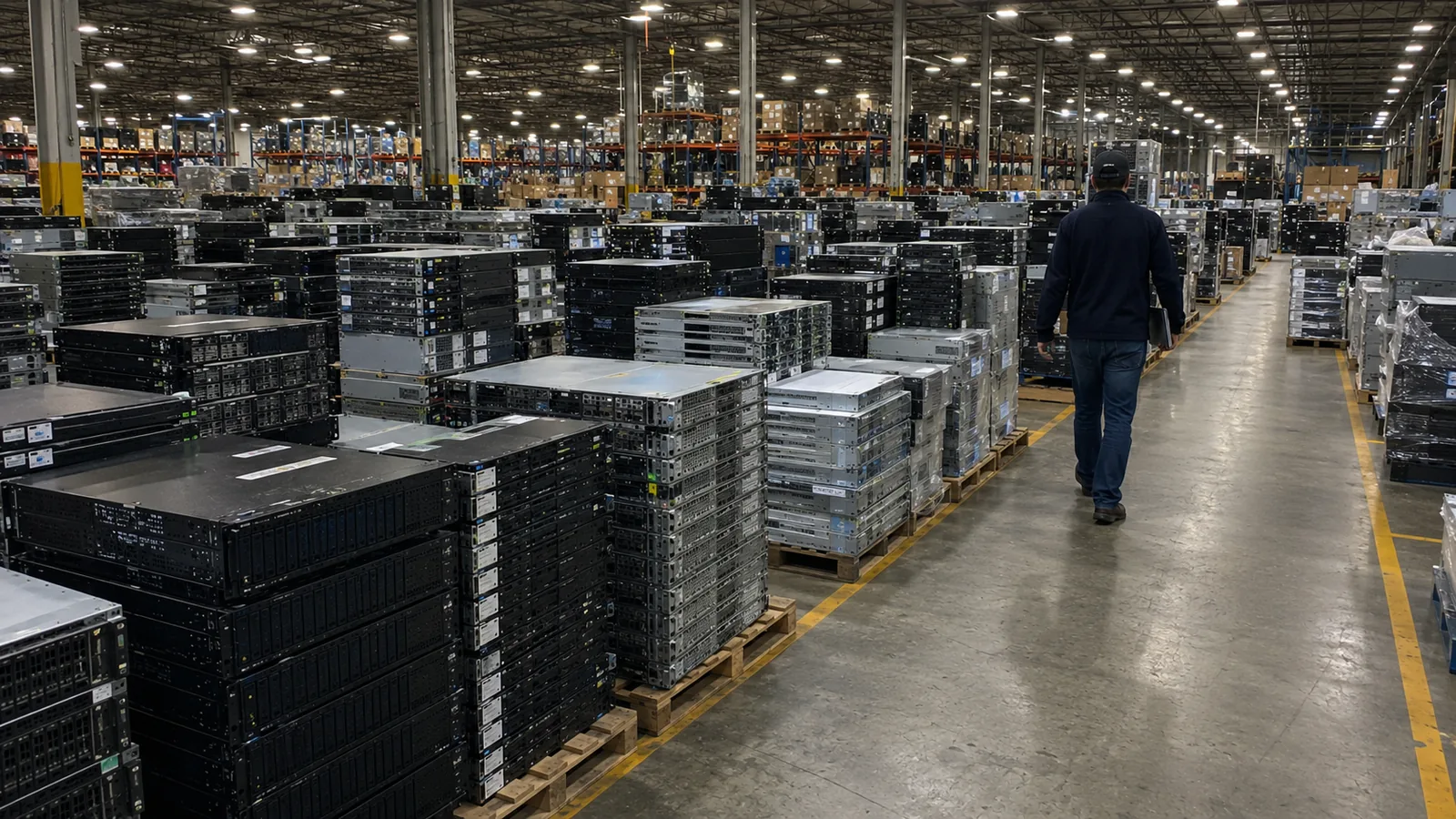
Organized electronics inventory prepared for a documented financial institution pickup
How It Works

Branch-to-certificate: four steps

  1. 1

    Plan: scope every branch location

    We map your branch locations, estimate device quantities, and build a coordinated pickup schedule that doesn't disrupt operations. Multi-branch projects get a single point of contact from start to finish.

  2. 2

    Collect: tamper-evident from first touch

    Assets are packed in secured, tamper-evident containers at your facility. Chain of custody begins the moment our team arrives. A signed manifest is issued at each branch before anything leaves the building.

  3. 3

    Destroy: certified shredding with serial inventory

    Hard drives, SSDs, backup tapes, and mobile devices are physically shredded. Serial-number inventory is recorded per device when required for compliance with FACTA, GLBA, or internal audit standards.

  4. 4

    Document: consolidated compliance package

    A Certificate of Destruction covering every branch is delivered with the full serial-number log. The package is formatted to satisfy FACTA audit reviews, GLBA safeguard requirements, and internal compliance records.

Common Questions

Financial Institution Disposal FAQ

Plan Your Project

One Partner for Every Branch

We handle the logistics, you get a single certificate package that covers every location.

FACTAGLBASerial Inventory
  • HIPAA / FACTA Compliant
  • Free data destruction on pickups
  • Transparent, upfront pricing
Or call 866-770-2650

Proof of Compliance

Every processed load receives a fully auditable Certificate of Destruction, establishing a clear chain of custody for your compliance records.

CLIENT NOTE

They coordinated across eight of our suburban branches and delivered one consolidated certificate. Our compliance team didn't have to chase paperwork from different vendors.

Operations Manager

Regional community bank, Chicagoland