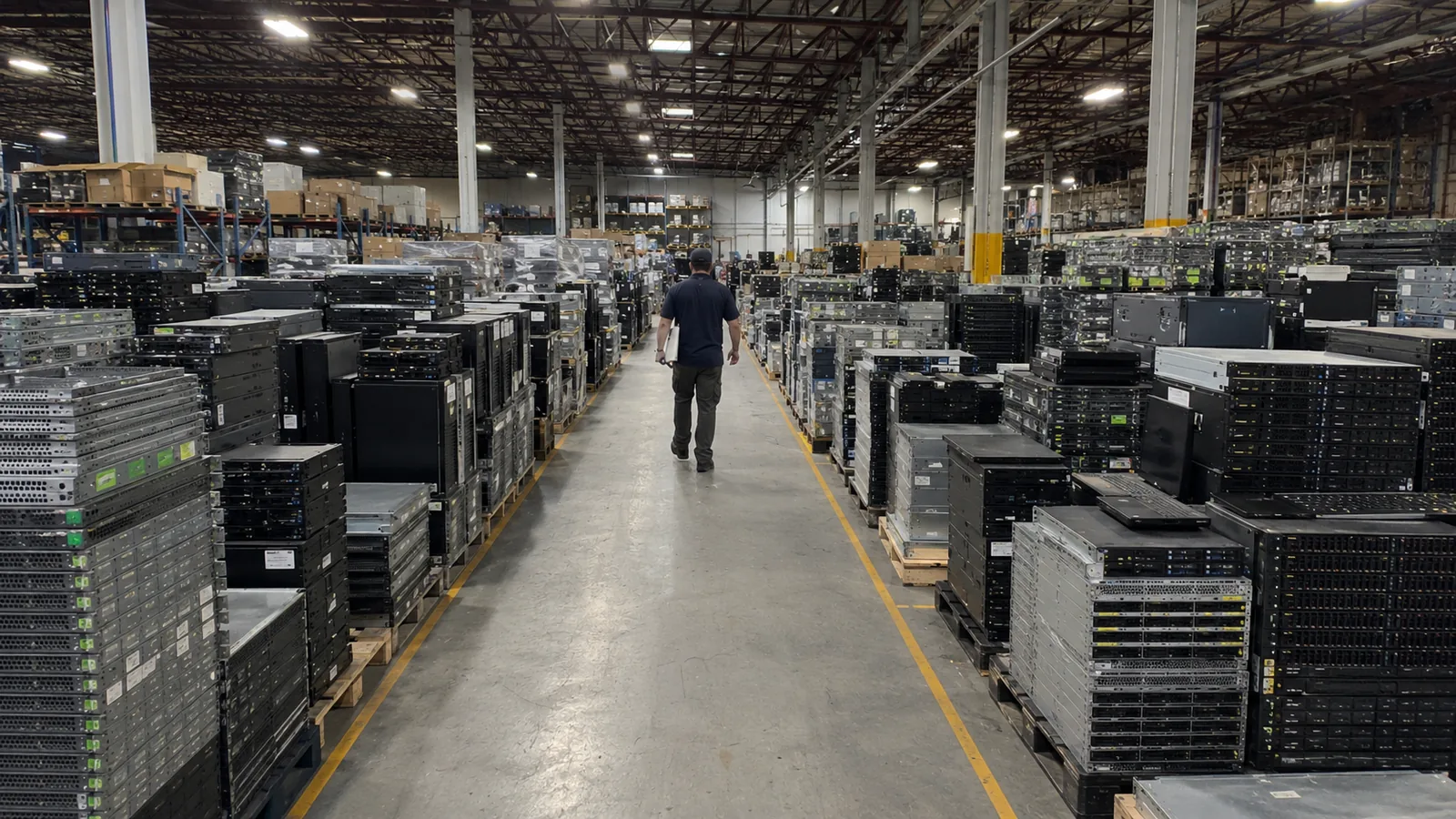
Organized server and electronics aisles inside an electronics recycling facility
Green Buildings Program

E-Waste Recycling for LEED-Certified Buildings

Every pickup generates a certificate of recycling with carbon emissions data: the documentation your LEED consultant needs, already in the right format.

Carbon certificatesEvery pickup included
LEED MR creditsDocumentation ready
On-site binsCommon area collection
Recurring serviceQuarterly or monthly
Documented Sustainability

LEED certification depends on evidence: e-waste recycling is one of the clearest to provide

Whether you're pursuing initial LEED certification, maintaining an existing LEED-EB rating, or supporting tenant ESG commitments, AVA Recycling provides the pickup service and paperwork to back it up. LEED reviewers want to see documented evidence of sustainable practices, not intent.

Every pickup from a Chicago-area LEED building includes a certificate of recycling showing the total weight collected, material categories, and an estimated carbon emissions savings figure. These data points feed directly into LEED documentation submissions and annual sustainability reports without any reformatting on your end.

For buildings with ongoing collection needs, we provide e-waste collection bins for common areas, mail rooms, and IT service points with recurring scheduled pickup. Property managers and LEED consultants can request service history reports at any time.

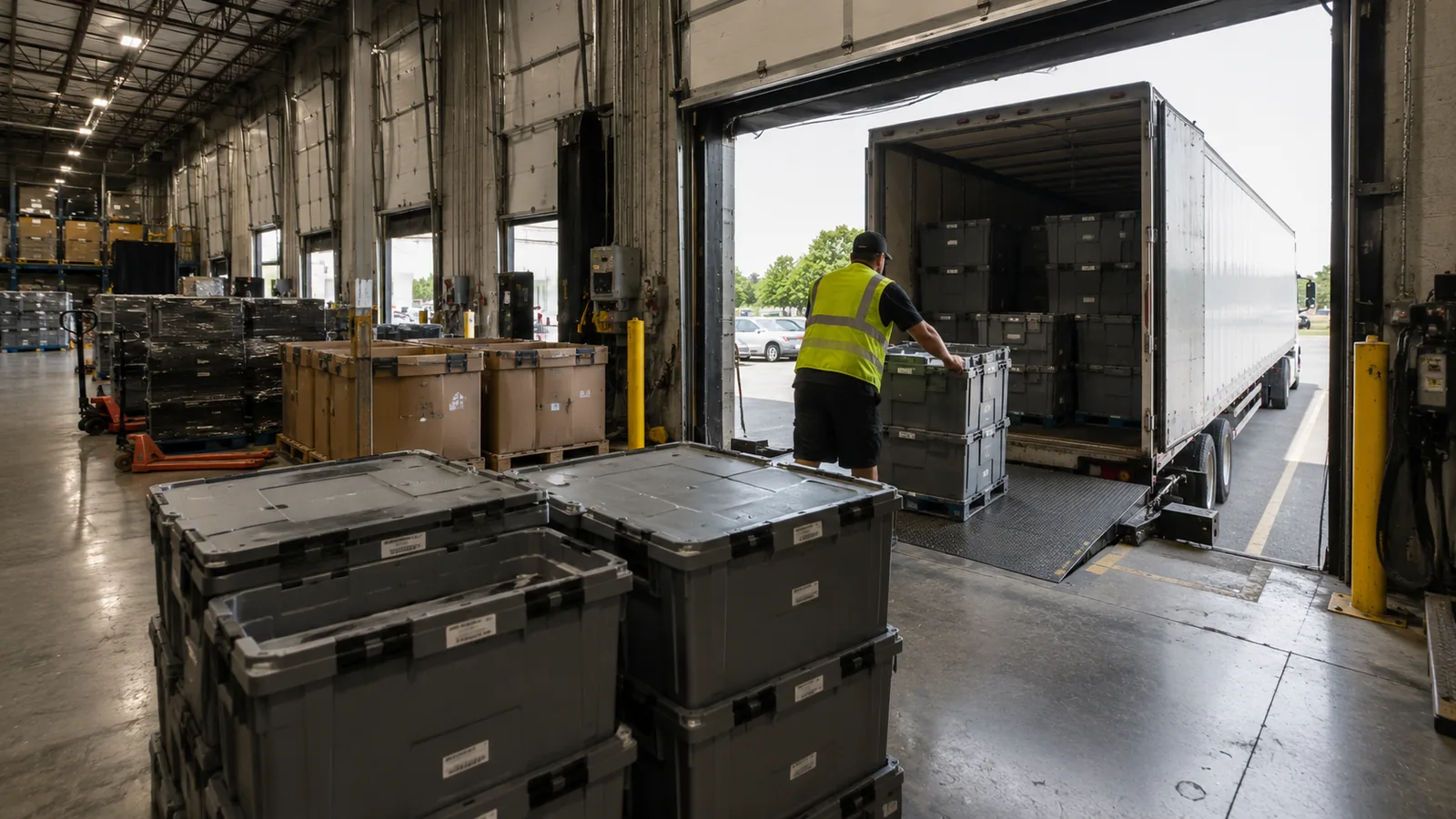
Palletized electronics prepared for responsible recycling and material recovery
Program Design

Make responsible electronics recycling part of building operations

A strong LEED program combines tenant convenience with the recurring records property teams need at reporting time.

01

Build a program tenants can actually use

A LEED recycling program succeeds when collection is convenient enough for tenants and predictable enough for the building team. Collection bins can be placed in mail rooms, loading areas, IT closets, or other controlled points, with signage that explains what belongs in the stream. The right size and pickup cadence depend on tenant count, move-in activity, technology refreshes, and the building's existing waste program.

AVA can support one-time construction closeouts, annual cleanouts, or recurring service for multi-tenant offices, corporate campuses, mixed-use properties, and industrial parks. Property managers receive a clear contact and a service history that can be shared with ownership, tenants, and sustainability consultants.

  • One-time, quarterly, monthly, or project-based service
  • Bins sized for lobbies, mail rooms, IT closets, or loading areas
  • Mixed electronics, batteries, and accessories scoped together
02

Make every certificate audit-ready

LEED and ESG reporting depend on evidence that a material stream was actually managed. A useful certificate records the service date, pickup location, material categories, total weight, and estimated emissions savings. Keeping those records by building and reporting period makes year-end sustainability work much easier than reconstructing a year's worth of ad hoc tenant drop-offs.

Your LEED consultant determines which credits and rating-system requirements apply to the project. AVA's role is to provide the operational record: scheduled collection, responsible downstream processing, and documentation that can be retained with the building's Materials and Resources or ongoing waste-management file.

  • Service records organized by building and pickup date
  • Weight and carbon-savings information included
  • Documentation that supports consultant and owner reporting
Building Operations

Turn a LEED intention into a program tenants and managers can use

The strongest green-building programs make collection convenient, service predictable, and documentation easy to retrieve.

01

Design collection around the building

Start with tenant count, building type, common-area traffic, expected technology refreshes, and available service access. A lobby bin, mail-room collection point, and controlled IT closet each serve a different behavior pattern and may need a different size or pickup cadence.

For a construction or renovation project, coordinate collection with the contractor's waste plan and the property team's move schedule. For an occupied building, make the instructions simple enough that tenants know what belongs in the e-waste stream and where to place it.

02

Make tenant participation practical

Residents and office tenants are more likely to use a program when the container is visible, the accepted items are clear, and the pickup schedule is predictable. Include a short list of common devices: laptops, monitors, cables, phones, printers, and accessories, and explain how batteries are handled separately.

Building staff can monitor fill levels and report unusual items before the next pickup. That creates a feedback loop between the property manager, tenants, and recycling coordinator instead of waiting until a bin is overflowing or contaminated.

03

Choose the reporting cadence

A one-time certificate may be appropriate for a tenant build-out or annual cleanout. Monthly or quarterly service is better for a building with regular move-outs, IT closet refreshes, or a sustainability commitment that needs current data throughout the year.

Discuss the reporting period with the LEED consultant or sustainability lead before service begins. Organizing certificates by building, pickup date, and material category prevents year-end reporting from becoming a manual reconstruction project.

04

Connect operations to the credit file

AVA provides the operational evidence: date, location, material categories, total weight, and estimated carbon savings. The building's LEED consultant determines how that evidence maps to the applicable rating system and credit requirements.

Retain the certificates with waste-management policies, tenant communications, service history, and other Materials and Resources records. The result is a program that is useful every month, not a collection of documents assembled only when a certification review is due.

Evidence, Not Intention

Give every pickup a place in the building's sustainability record

A visible collection point is useful to tenants; a consistent service history is useful to the property manager and LEED consultant.

Keep certificates organized by building, pickup date, and material category. That small operational habit makes it easier to answer a tenant question in the moment and assemble a complete reporting file at the end of the year.

Collection bins, recurring pickups, and documented weights turn a sustainability promise into a program that can be explained. Your LEED consultant can then decide how the records apply to the building's rating system and credit requirements.

When ownership, tenants, or auditors ask for proof, the service history should show more than a final total. It should explain where the material came from, when it was collected, which categories were recovered, and how the building maintained the program across the reporting period.

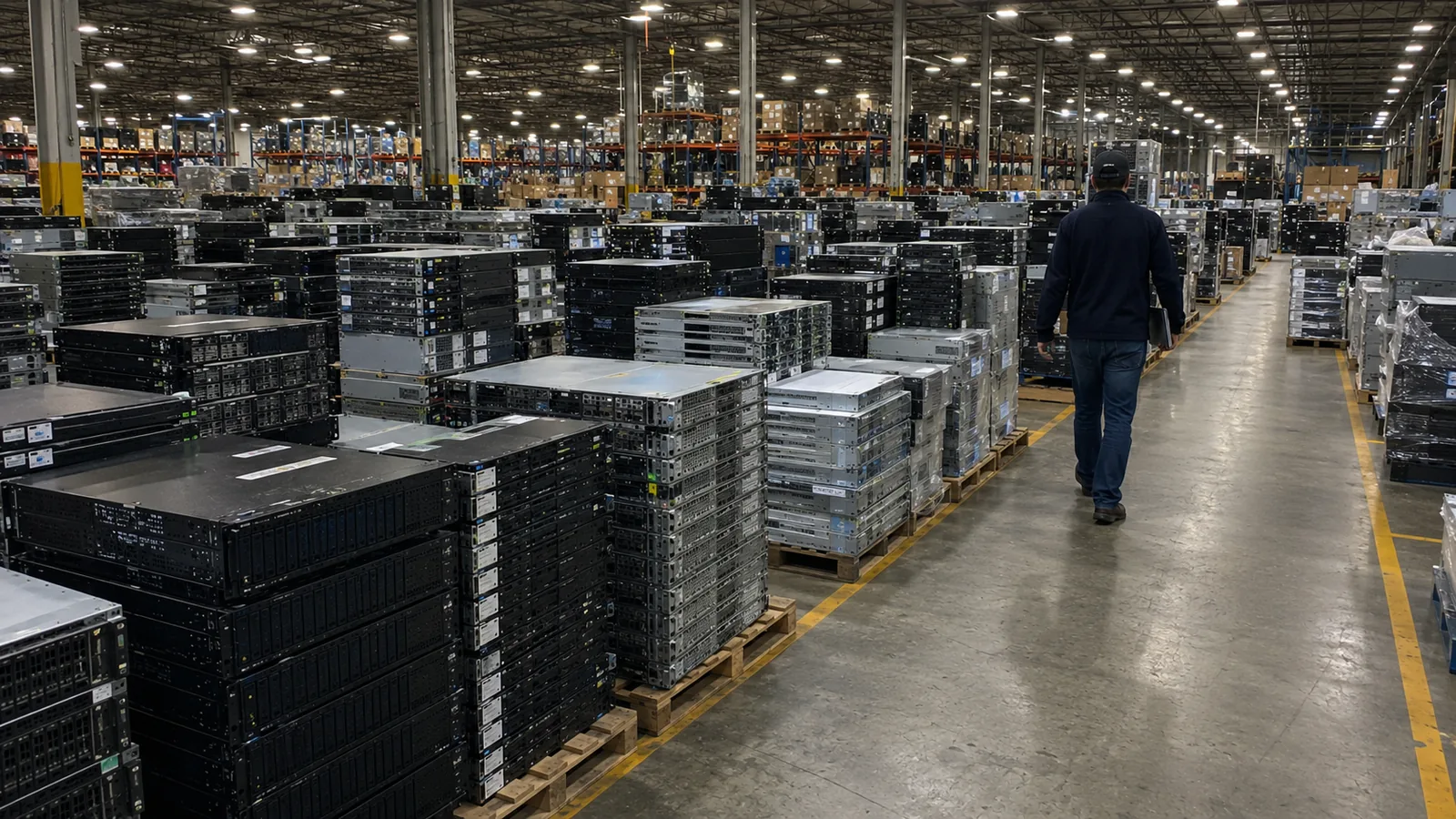
Electronics inventory organized inside a recycling facility for sustainability reporting
What the Data Shows

What your building's certificate will document

MR Credit
Materials & Resources credits supported: Solid Waste Management policy for ongoing building operations
LEED v4.1 O+M: Existing Buildings, Materials and Resources
Every pickup
Carbon emissions savings data included on every certificate, ready for annual sustainability reporting
LEED-EB
Existing Buildings: Operations + Maintenance, the most common LEED rating for commercial property managers
U.S. Green Building Council
Program Features

What Property Managers Get

Carbon Certificates

Weight recycled and carbon emissions saved, formatted exactly for LEED documentation requirements.

On-Site E-Waste Bins

Branded or plain bins placed in common areas, mail rooms, or IT closets, sized to your building's volume.

Recurring Pickup

Quarterly or monthly scheduled service keeps bins managed and LEED compliance documentation current.

Responsible Downstream

All collected e-waste is routed through documented processing, materials recovered, nothing landfilled.

Common Questions

LEED Recycling FAQ

Support Your Building's LEED Goals

Schedule a free pickup or call our team. We'll walk you through pricing and logistics in minutes.