
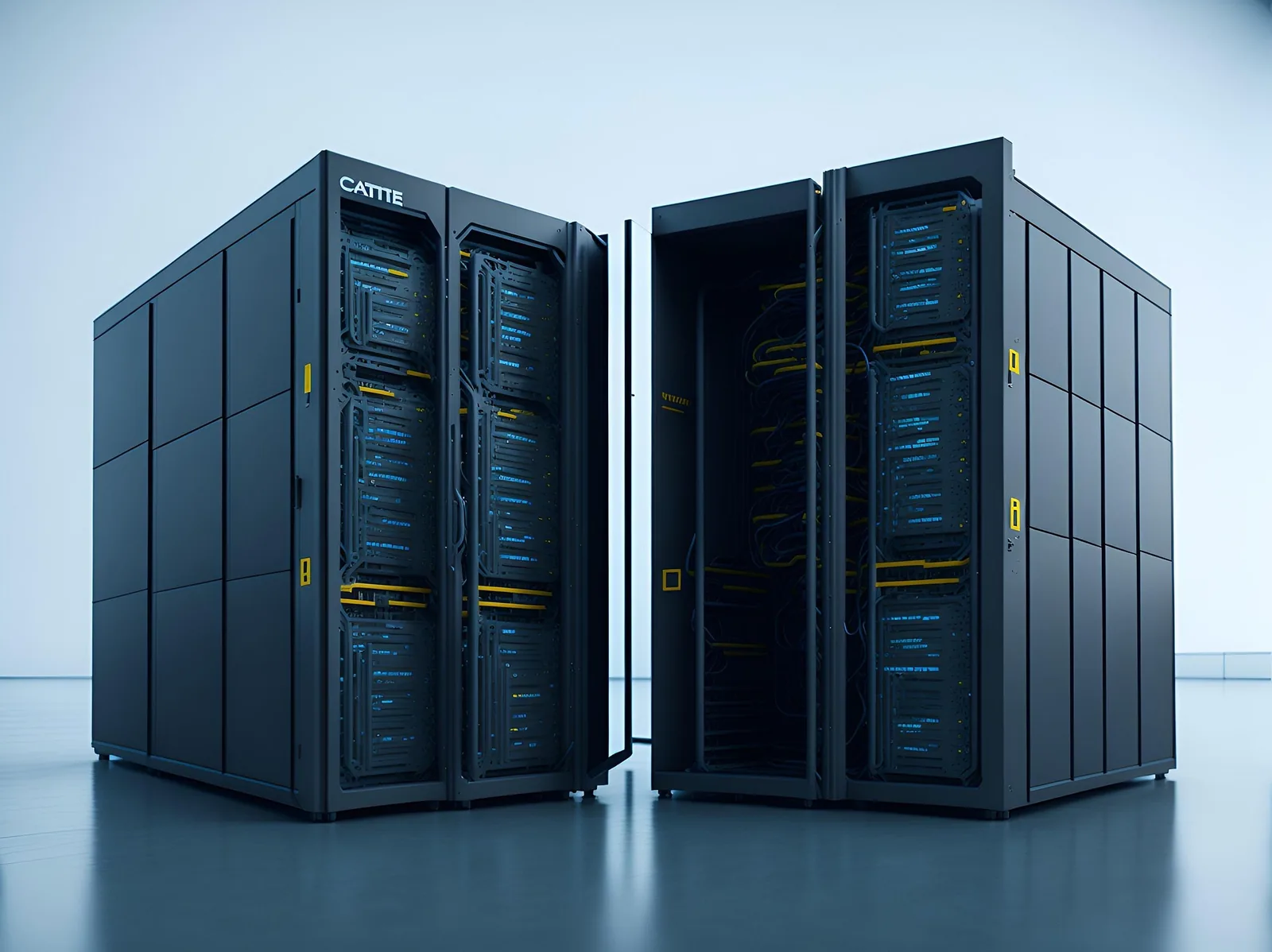
Enterprise data center racks representing network infrastructure
Network & Infrastructure Recycling

Network Equipment Recycling — Config Data Wiped or Destroyed

Enterprise routers, firewalls, and switches store VPN keys, credentials, and routing tables even after a factory reset. We wipe or physically destroy data-bearing storage before recycling — free pickup for businesses across Chicagoland.

Data wiped or destroyedBefore recycling
Free pickupChicago metro
Full DC decommissionsEnd-to-end service
Certified recyclingCertificate issued
The Risk

A factory reset doesn't erase what's really stored on enterprise network hardware

Factory reset ≠ erased
Many enterprise routers and switches retain VPN keys, SNMP strings, and access credentials after a standard factory reset
Cisco IOS, Juniper JunOS, Fortinet FortiOS documentation
12+ brands
Cisco, Juniper, Fortinet, Palo Alto, Aruba, Ubiquiti, Netgear and more — all accepted for data destruction and recycling
Full scope
End-to-end data center decommissions — servers, storage, network, rack, cabling — under one Certificate of Recycling
What's Stored Inside

Network hardware holds configuration data most organizations overlook

Enterprise network equipment — routers, firewalls, managed switches — stores far more sensitive data than most organizations realize. Network configurations, routing tables, VPN credentials, SNMP community strings, and log data persist in internal flash memory or small hard drives even after a factory reset on many platforms.

AVA Recycling accepts network hardware from all major vendors. We wipe or physically destroy data-bearing storage before processing the equipment for metal and component recovery. Rack hardware, cabling, patch panels, and PDUs are routed to appropriate metal recyclers for copper, aluminum, and steel recovery.

Network hardware recycling fits naturally into a full IT asset disposition project. If you're decommissioning a data center, refreshing network infrastructure, or consolidating after a merger or acquisition, AVA handles the full scope — servers, storage, network, and rack infrastructure — under a single Certificate of Recycling.

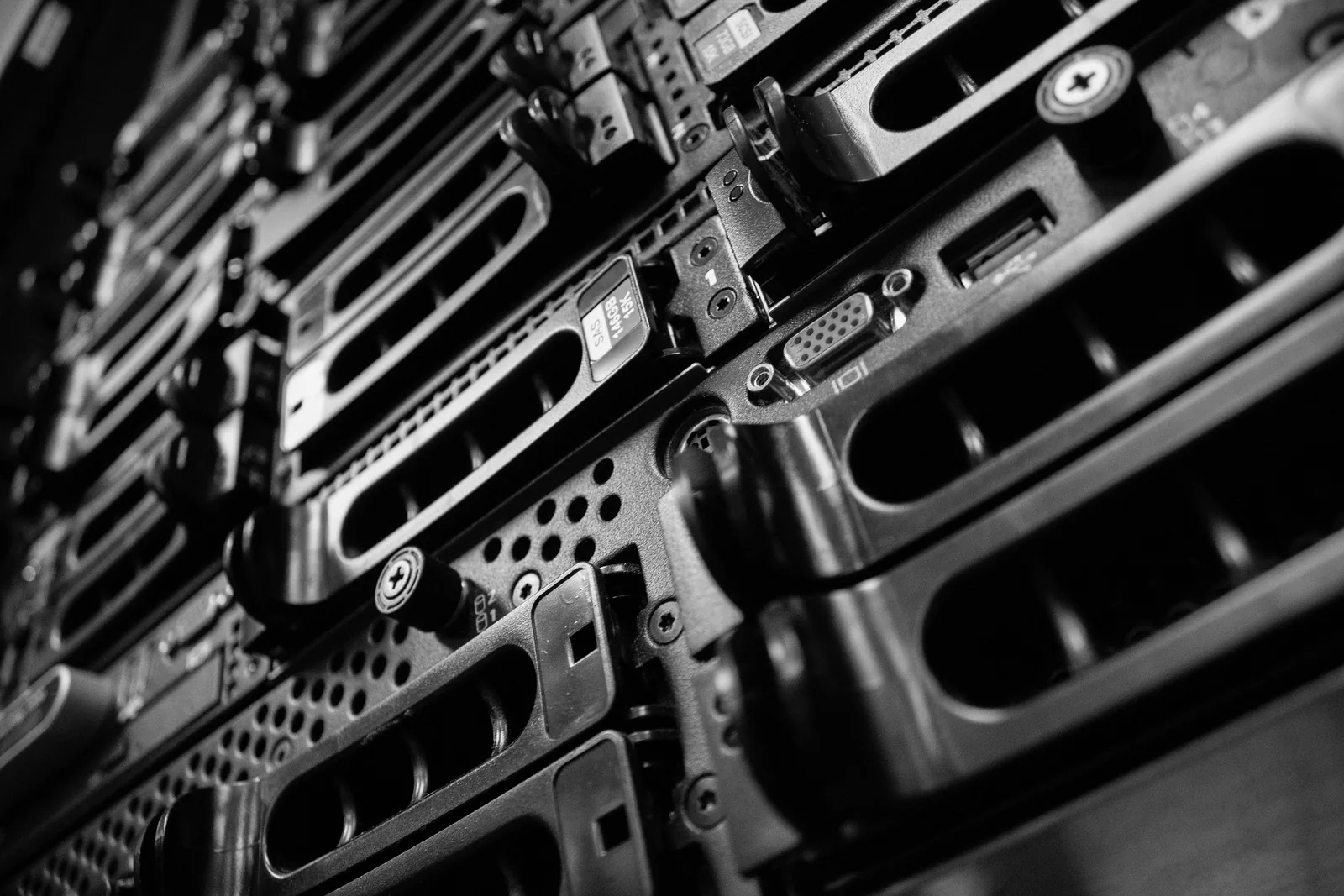
Close-up view of enterprise server racks prepared for infrastructure recycling
For Network Refreshes & Data-Center Closures

Recover the infrastructure without losing control of the data

Network equipment recycling works best as a documented decommission: inventory first, data handling second, material recovery third.

01

Inventory more than the chassis

A network refresh can leave an organization with routers, switches, firewalls, wireless access points, VPN appliances, console servers, storage modules, rack power, patch panels, and bins of copper cable. The visible equipment model is only part of the project. Internal flash, removable storage, configuration backups, and management credentials should be considered before hardware leaves the controlled environment.

AVA can work from a data-center decommission list, a network closet walk-through, or a staged pallet count. Equipment with resale or reuse potential can be evaluated separately from equipment destined for material recovery, while data-bearing components are identified for wiping or physical destruction according to the project requirements.

  • Cisco, Juniper, Fortinet, Palo Alto, Aruba, Ubiquiti, and other brands
  • Routers, switches, firewalls, wireless, VPN, and rack hardware
  • Cabling, patch panels, PDUs, rails, and ancillary infrastructure
02

Decommission the infrastructure in a controlled sequence

A data-center or network-room project is easier to document when collection follows the same order as the shutdown. Confirm the site, rack or room, equipment category, and data-bearing components. Stage the hardware for inventory, record serials where needed, and keep network devices separate from loose scrap until the data-handling decision is complete.

After storage is wiped or destroyed, the remaining chassis, boards, copper, aluminum, and steel can be routed to their appropriate downstream streams. A single coordinated project reduces the chance that a firewall, backup appliance, or access point is left behind after the main server pickup and gives the IT team one completion record for the entire scope.

  • Room-, rack-, or department-level inventory
  • Data decision made before equipment enters the recycling stream
  • One coordinated closeout for servers, storage, network, and rack assets
Data-Center Decommission Planning

Control the sequence from rack inventory to final recovery

Network recycling is most reliable when the technical shutdown, data decision, physical removal, and material closeout are planned together.

01

Build the decommission inventory

Start by room, rack, or department and list routers, switches, firewalls, access points, wireless controllers, console servers, storage modules, rack PDUs, patch panels, and cable. Note which equipment is still connected, which has been powered down, and which components may hold configurations or credentials.

A basic inventory is useful even when serial-level tracking is not required. It prevents an access point, firewall, or console device from being overlooked after the main server and storage equipment has been removed.

02

Coordinate access and shutdown

Network projects need more planning than a standard pallet pickup. Confirm the change window, escort requirements, rack access, loading dock, freight elevator, and who owns the final configuration backup. The disposal crew should not be asked to decide whether a device is safe to remove from an active rack.

For a multi-site refresh, sequence closets and data centers around the network team's migration plan. A single coordinator can keep the pickup and documentation schedule aligned with the technical shutdown.

03

Make the data decision first

Before equipment enters a recycling stream, decide whether internal flash, drives, configuration storage, and removable media will be wiped or physically destroyed. Record the selected method and the equipment category so the final report explains what happened to the information-bearing components.

Factory-reset instructions vary by manufacturer and may not address every storage location. When the organization needs a definitive physical outcome, identify the device for destruction rather than relying on a reset that cannot be independently verified later.

04

Recover the infrastructure and close out

After data handling is complete, chassis, circuit boards, copper, aluminum, steel, rack rails, PDUs, and cable can be routed to their appropriate recovery streams. Separating the material by category improves downstream handling and keeps valuable metals out of the landfill.

Retain the inventory, destruction record, Certificate of Recycling, and project summary together. A complete closeout gives IT leadership, security, facilities, and finance one shared record of the decommission instead of separate partial notes.

Rack-Level Accountability

Do not let one firewall or access point disappear into the cleanout

Room- and rack-level staging gives the network team a final chance to reconcile the equipment before it enters the recycling stream.

Keep network devices grouped by room or rack and identify equipment that may contain configurations, flash storage, or removable media. That is especially useful when a data-center closure is happening across several change windows or vendors.

After the data decision is complete, the chassis, boards, copper, aluminum, and steel can be routed for material recovery. The inventory and final certificate then give IT, security, and facilities one shared record of the decommission.

Detailed server rack hardware prepared for documented infrastructure recycling
What We Accept

Network & Infrastructure Equipment

Routers & Switches

Enterprise and consumer routers, managed and unmanaged switches, and MPLS hardware from all manufacturers.

Firewalls & UTM

Firewalls, unified threat management appliances, and VPN concentrators — data wiped or physically destroyed.

Rack Hardware

Rack chassis, cable management, patch panels, PDUs, and ancillary rack hardware recovered for metal recycling.

Data Destruction

Configuration data on internal flash storage and drives is cryptographically wiped or physically destroyed before recycling.

Common Questions

Network Equipment Recycling FAQ

Recycle Your Network Equipment — Data Handled Properly

Schedule a free pickup or call our team — we'll walk you through pricing and logistics in minutes.